IN MEXICO IWE WORK ON THE AREAS OF LIVELIHOOD AND MIGRATION THROUGH THREE PROJECTS.

© Monteserín Fotografía
Project 1:
Strengthening the Ñuhu Ñiethé cooperative with a gender, generational and ecological approach.
Through this initiative, we aim to ensure the sustainability of the organizational structures of cooperatives that bring together peasant families from 10 Otomí indigenous communities in the municipalities of Texcatepec and Huayacocotla, in northern Veracruz. These municipalities exhibit high levels of marginalization but possess rich biodiversity and active community life. The project focuses on promoting the formalization and development of infrastructure for cooperatives to foster productive growth and generate a positive impact on family economies. At the same time, we strengthen local products and services (coffee, honey, savings groups, embroidery, etc.), as well as processes for productive diversification of key crops such as cinnamon, pepper, and vanilla.
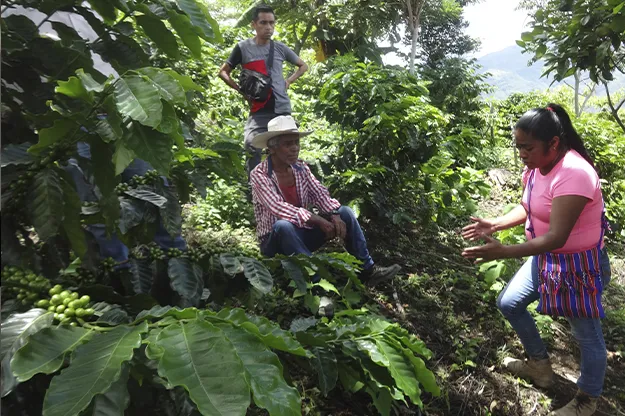
© Proyecto México
WE ATTEND
1521
PERSONAS
989 women y 532 men
WITH THE LOCAL PARTNER:

IN THE STRATEGIC AREA:

Livelihoods
Project 2:
Livelihoods for “Good Living”: Entrepreneurship and autonomy for Tseltal women and youth.
The project promotes the economic autonomy of Tseltal indigenous women and youth living in poverty, exclusion, and inequality in the states of Chiapas, Puebla, Jalisco, Guanajuato, Coahuila, and Mexico City. This is achieved through training in technical, digital, and organizational skills with a gender and intercultural perspective, the creation of enterprises, and the strengthening of cooperatives, as well as the promotion of female leadership in decision-making, emphasizing the prevention of multiple forms of violence. All of this is approached from the Tseltal worldview of lekil kuxlejal (good living), which conceives a harmonious and caring relationship with Mother Earth as central to community development.
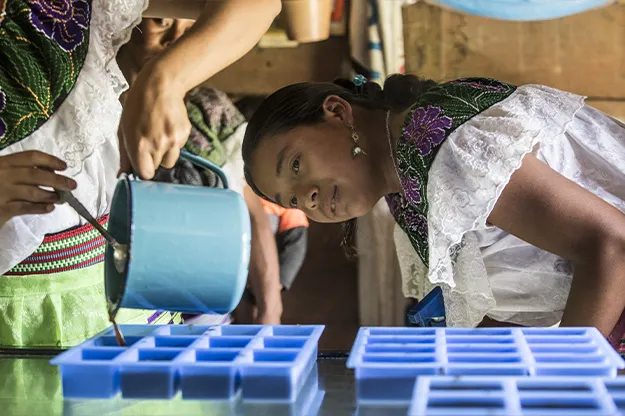
© Monteserín Fotografía
WE ATTEND
1538
PERSONAS
1.011 women y 527 men
WITH THE LOCAL PARTNER:

IN THE STRATEGIC AREA:
Livelihoods
Project 3:
Comprehensive support for people in forced displacement, with a gender based approach.
Mexico continues to be a country of origin, transit, and destination for migrants, asylum seekers, and refugees. In this context, we provide humanitarian assistance to meet the basic needs of shelter, food, and healthcare for displaced people located in border areas of Chihuahua, Chiapas, and Mexico City. In addition, we offer psychosocial support and legal guidance to help them understand their rights. Simultaneously, we are developing a pilot project that provides training in technical and soft skills, as well as seed capital, aimed at women to strengthen their economic autonomy.
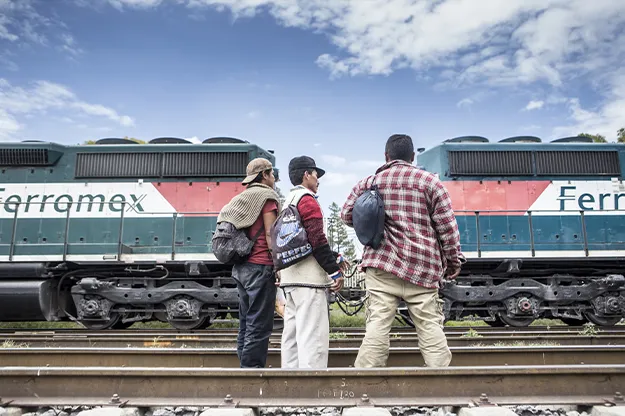
© Monteserín Fotografía
WE ATTEND
18099
PERSONAS
9.609 women y 8.490 men
WITH THE LOCAL PARTNER:

IN THE STRATEGIC AREA:

Migration